
Walls Prepared for Permanent Finishes
Drywall Installation and Repair in Rayne for cracks, water damage, holes, uneven surfaces, and remodeling-related wall work
Cracks radiating from door corners, water staining that signals hidden leaks, holes from removed fixtures, or uneven surfaces showing tape ridges and joint shadows require drywall repair before painting can produce acceptable results. Drywall installation and finishing create the smooth, uniform wall and ceiling surfaces that accept paint cleanly and last without cracking or texture inconsistency. Cajun Conservation handles drywall installation, patching, finishing, and repair throughout Rayne, working in older homes where plaster has failed, remodeled spaces requiring new wall construction, and newly renovated interiors needing professional surface preparation.
Drywall work begins by assessing whether damage requires patching or full panel replacement, examining framing behind damaged areas to ensure solid backing exists, and cutting out compromised sections cleanly. Installation involves securing panels to studs with proper fastener spacing, taping joints with paper or mesh tape embedded in joint compound, applying multiple finish coats that feather out smoothly, and sanding to eliminate ridges before priming. Each layer must dry completely before the next is applied, and finish quality depends on applying thin, well-feathered coats rather than thick applications that crack or show tool marks.
Schedule drywall repair or installation to address specific damage or prepare walls for painting and finish upgrades.
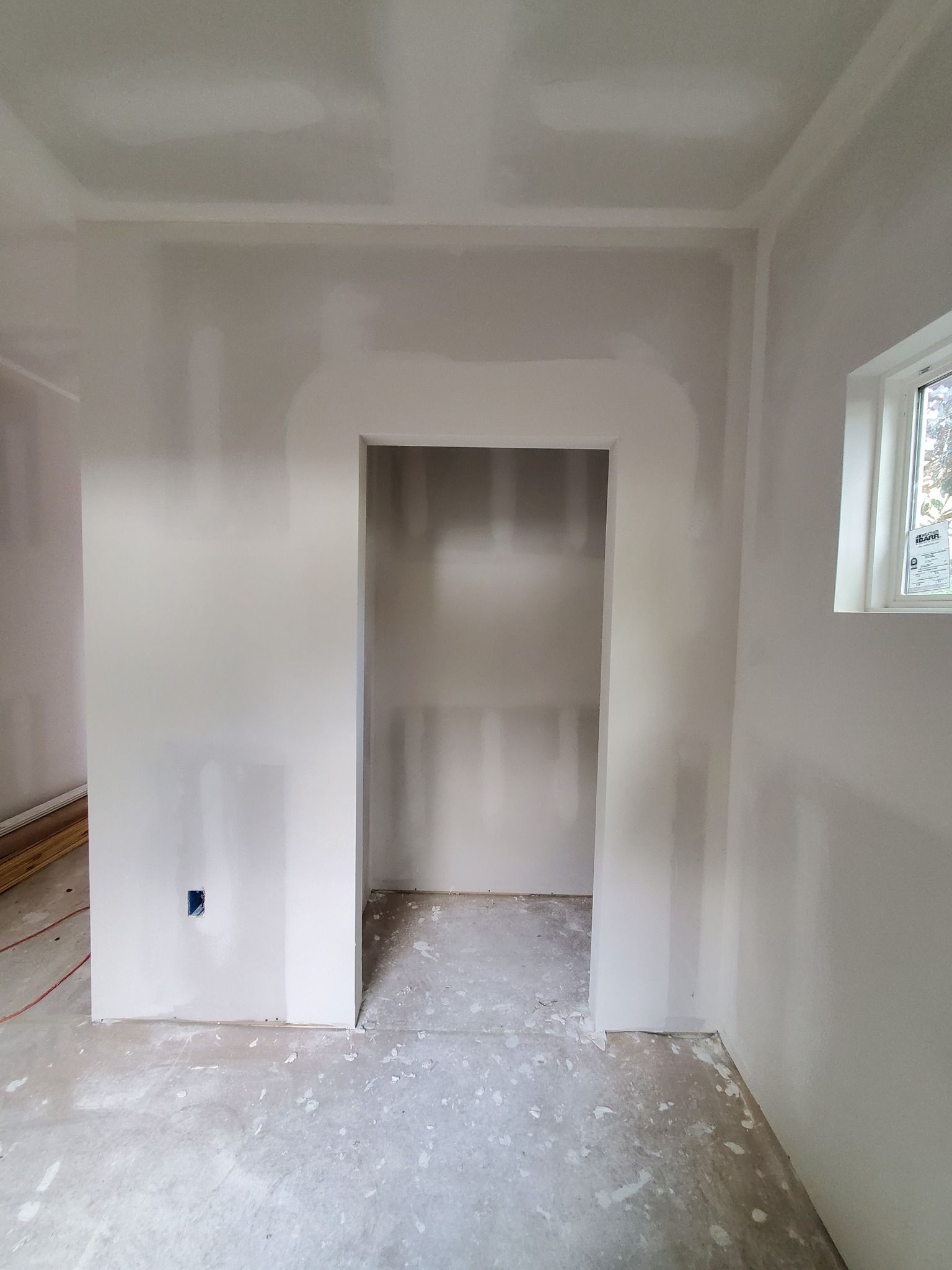
What Changes After Drywall Work Finishes
Properly finished drywall eliminates visible joint lines, texture variations, and surface imperfections that telegraph through paint, creating walls and ceilings that appear as continuous, smooth planes rather than collections of individual panels. The finishing process involves building up joint compound in progressively wider layers so transitions between taped seams and surrounding drywall become invisible, then sanding carefully to avoid creating low spots or exposing tape edges that reappear after painting.
Once drywall finishing is complete, walls feel smooth under your hand without ridges at seams, light rakes across surfaces without highlighting shadows or bumps, and primer or paint applies evenly without getting absorbed differently at joints versus field areas. Repaired sections blend invisibly with surrounding wall surfaces. Cleaned work areas show minimal dust accumulation on floors and furnishings, and properly finished living spaces are ready for trim installation and painting that complete the interior transformation.
Drywall projects include professional preparation to protect flooring and belongings from dust, and cleanup involves removing scrap material and vacuuming residue before finish trades proceed. Repair complexity varies based on damage extent, accessibility behind walls, and whether moisture issues caused the damage and require correction before new drywall is installed. Installation in remodeling contexts requires coordinating with electrical, plumbing, and insulation work to ensure panels aren't installed until all in-wall systems are complete and inspected.
What Homeowners Commonly Want to Know
Drywall projects involve understanding material types, finishing techniques, and preparation steps that determine whether painted walls look professional or show defects that require rework.
What causes drywall cracks to reappear after repair?
Cracks return when the underlying cause isn't addressed, such as foundation settlement creating ongoing movement, inadequate framing allowing flex at joints, or failing to use tape and compound that can accommodate minor shifting without fracturing.
How do you match existing texture when patching drywall?
You replicate texture by applying joint compound with a sponge, brush, or spray equipment adjusted to create similar pattern density and depth, then blending the edges so repaired areas transition smoothly into surrounding texture rather than showing a distinct patch boundary.
Why does joint compound require multiple coats instead of one thick application?
Thick coats shrink excessively as they dry, creating depressions at seams, and take much longer to cure, while thin coats applied in sequence allow controlled buildup, minimal shrinkage, and easier sanding to achieve smooth transitions without creating new low spots.
What drywall types are used in different areas of the home?
Moisture-resistant drywall with green or purple paper facing is used in bathrooms and kitchens where humidity is higher, while standard drywall works for living areas, and abuse-resistant panels with fiberglass facing suit high-traffic areas prone to impact damage.
How does Rayne's humidity affect drywall finishing timelines?
High humidity slows joint compound drying, extending the time between coats and potentially requiring fans or dehumidifiers to maintain progress, while excessively rapid drying in air-conditioned spaces can cause cracking if coats aren't allowed adequate cure time before sanding.
Cajun Conservation completes drywall installation and repair with smooth finishes, proper preparation, and attention to surface quality that supports long-lasting painted interiors. Contact us to arrange an assessment of your drywall damage or discuss installation needs for your remodeling project.