
Details That Define Your Interior
Custom Trim Carpentry in Rayne for crown molding, baseboards, door trim, window trim, and decorative wood finishes
Custom trim carpentry transforms plain walls and openings into finished spaces with visual depth and architectural character through precisely installed crown molding, baseboards, door trim, window trim, accent walls, and decorative wood finishes. Trim work adds definition to room transitions, frames openings cleanly, and introduces design elements that reflect your preferences while increasing home value. Cajun Conservation provides custom trim carpentry services in Rayne for remodeling projects, newly constructed homes, and properties where existing trim needs upgrading or replacement to match updated interiors.
The process involves selecting trim profiles that complement the home's style, calculating material quantities to minimize waste, and cutting precise angles at corners and joints so pieces fit together without gaps. Installation requires accounting for wall irregularities, ensuring consistent reveal around doors and windows, and securing trim to framing rather than just drywall to prevent sagging or separation over time. Finish work includes filling nail holes, caulking joints, and preparing surfaces for paint or stain application that highlights the trim's profile and craftsmanship.
Request a custom trim estimate based on your room dimensions, profile preferences, and finish requirements.
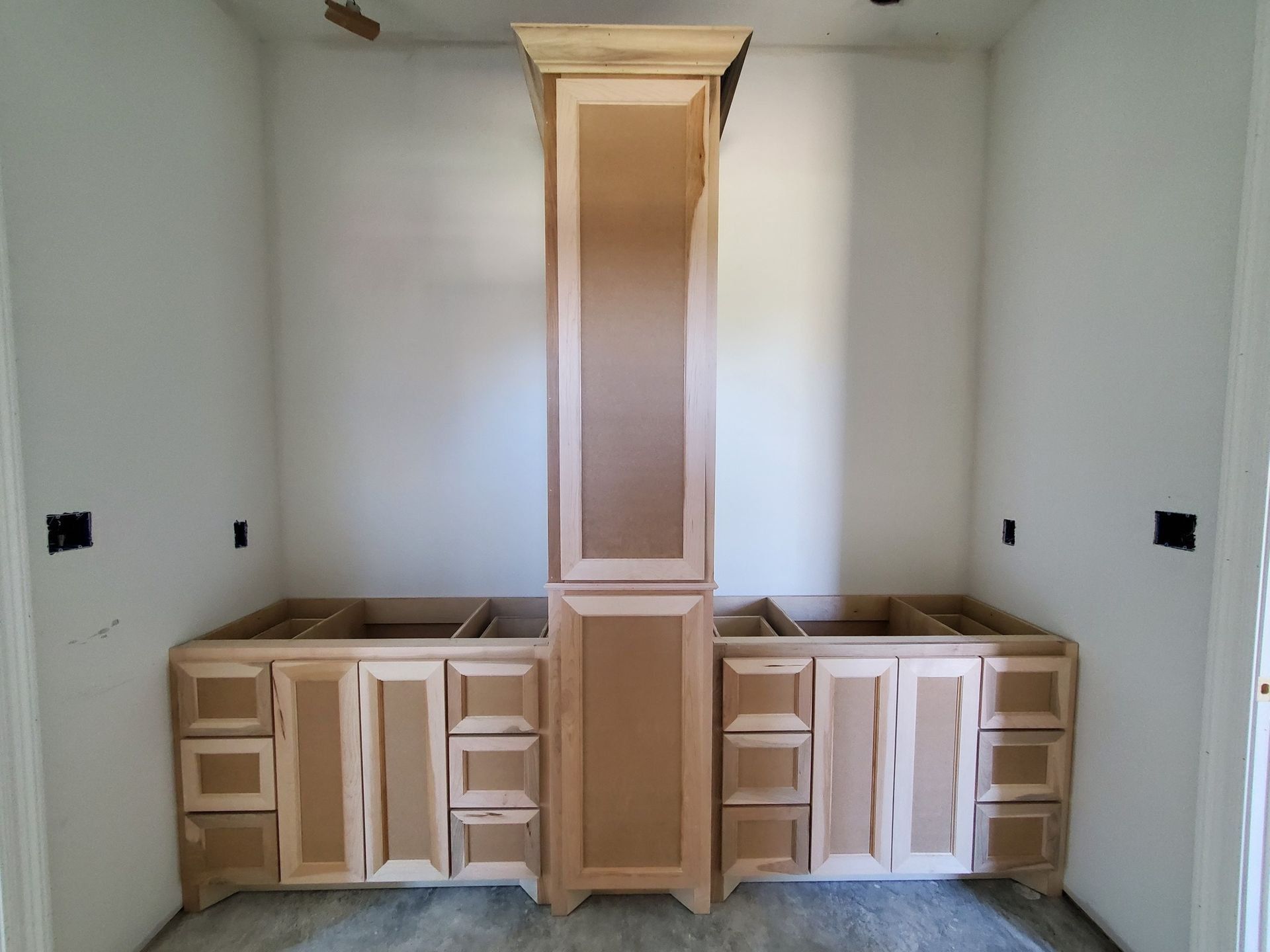
The Difference Between Standard and Custom Trim Work
Custom trim carpentry means selecting specific profiles, wood species, and installation details rather than using builder-grade materials and standard patterns, allowing the trim to match the home's architectural period or your design vision. Installation quality determines whether joints remain tight as humidity causes wood movement, whether corners meet cleanly at complex angles, and whether the trim sits flush against walls despite surface irregularities common in older homes or new construction with imperfect drywall finishing.
After trim installation completes, rooms display continuous lines where crown meets ceiling, baseboards cover floor-to-wall transitions without gaps, and door and window casings frame openings symmetrically with uniform reveals. The trim adds visual weight and detail that makes spaces feel intentionally designed rather than simply enclosed. Clean installation and seamless finishes create a polished appearance that elevates the entire interior, making other upgrades like paint, flooring, and lighting more effective.
Custom trim projects range from single-room upgrades to whole-house installations, with complexity increasing when working around irregular walls, vaulted ceilings, or integrating trim with built-in cabinetry. Material costs vary based on wood species, profile intricacy, and whether trim is primed or requires custom milling for historical replication. Personalized interior design through trim work allows you to introduce traditional, contemporary, or transitional aesthetics depending on profile and finish choices.
Questions Before Starting Your Project
Selecting and installing custom trim involves decisions about materials, profiles, and finishes that affect both appearance and long-term performance in your home's specific conditions.
What trim profiles work best for homes built in different eras?
Homes from the early 1900s typically used wide, elaborate crown and casing profiles with multiple steps, mid-century homes favored simpler, flatter trim, and contemporary designs often use clean-lined, minimalist profiles with square edges rather than curves.
How do you achieve tight joints at inside and outside corners?
Outside corners use miter cuts at precise 45-degree angles, while inside corners use coped joints where one piece is cut to follow the profile of the adjoining piece, creating a joint that stays tight even as wood expands and contracts with humidity changes.
Why does trim sometimes separate from walls after installation?
Trim nailed only into drywall lacks solid backing and pulls away as fasteners loosen, while trim secured to studs or blocking stays in place, making proper fastener placement into framing critical for long-term stability.
What finish options are available for custom trim?
You can choose paint for a clean, uniform appearance that highlights profile rather than grain, stain to showcase wood species and natural color variation, or clear finish to protect wood while maintaining its natural tone and texture.
How does humidity in Rayne affect wood trim performance?
High humidity causes wood to expand, potentially tightening joints or creating buckling if trim is installed too tightly, while air conditioning dries interiors and causes contraction, making proper acclimation of trim material to indoor conditions before installation important for minimizing seasonal movement.
Cajun Conservation installs custom trim carpentry with attention to profile selection, joint precision, and finish preparation that defines interior spaces with lasting quality. Schedule a consultation to discuss trim options, material selections, and installation scope for your remodeling or new construction project.